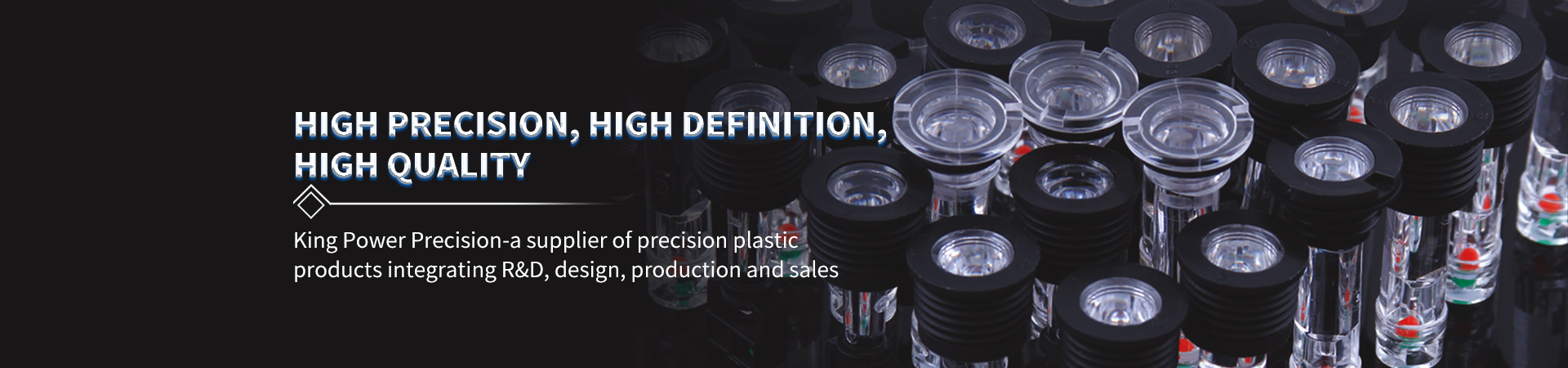
With the increasing electrification of vehicles, batteries are no longer just starting devices but have become essential components for ensuring stable power supply to various onboard systems. As a result, safety and reliability are becoming key focuses in the battery industry.
1. What: What is Battery Safety Upgrading?
Battery safety upgrading refers to improving battery structure, enhancing key component performance, and optimizing materials to reduce risks caused by gas accumulation, internal pressure, and structural failure.
During charging and discharging, batteries generate hydrogen and oxygen gases. If these gases are not properly managed, internal pressure may increase, affecting performance and safety.
Modern battery systems therefore emphasize:
- Gas management
- Pressure control
- Sealing performance
- Structural stability
2. Why: Why is Safety Upgrading Important?
1. Increased Electrical Load
Modern vehicles integrate more electronic systems, requiring stable and reliable power supply.
2. Harsh Operating Conditions
Batteries must perform under extreme temperatures and frequent start-stop conditions.
3. Stricter Global Standards
Markets such as Europe and North America demand higher safety and quality standards.
4. Aftermarket Reliability Demand
End-users increasingly prioritize durability and low maintenance costs.
3. How: How to Improve Battery Safety?
1. Optimizing Venting Systems
A well-designed venting system helps release internal gases and prevent pressure buildup.
2. Enhancing Safety Valve Performance
Safety valves regulate pressure under abnormal conditions and prevent structural damage.
3. Improving Sealing and Structural Design
High-quality sealing prevents leakage and enhances durability. Precision injection components ensure consistency and reliability.
4. Upgrading Materials and Manufacturing
Advanced materials and stable processes improve performance under extreme conditions.
5. From Components to Solutions
The market is shifting from single components to integrated solutions, including customization and system-level optimization.
4. Conclusion
Future battery development will focus on safety, stability, and integrated design. High-quality components and optimized structures will play a key role in meeting global market demands.
???? We provide customized battery components and injection solutions for various battery applications, supporting stable and reliable performance.